

Dr. Shankar Nath Mukherjee With A Distinct Aradenic Record Joined the Department of Physics of Banaras Hindu Uneversity in 1961 and remained there Until his retirement as Professor and Head of Physics in 1998, Escept for Further research in the United States (1967 - 71 , 1977 78, 1980-81, 1984, 1990, 2002), Japan (1987 1990, 1996 , 1997) and International Centre for Theoretical Studies, Italy (2003). He Was research associate (1969 -70) with Professor Gregory Breit Former director of Manhattan Project and one of the Founder Father of Nuclear Physics . He was inrtid by Council , for International Acadimic Exchange Washington and had the honor to be Treated at the white House by the First Lady Rasalyn Cantre. ATeacher Shines by the reflcted glory of his Students Which is in move than fifty artites Subheted in International Journals with high citation indese . Students helped to Co- edited three books, Coauthored a research monographs (North, Halland: 1993) His Authorship Covers a teat book on Particle Phyices (World Scientific:2004, 2020, 2nd Ed) a teat book on “ Particle Physics and Cosmology (New Age International Publisher 2019, 2025, Reprint Ed) and another Casmology and Nuclear Physics (CBS Publesher 2010) He Contributed Significantly for the Department of Heavy Ion Acclerateor facility in India as a member of the first scientific advisory committee of Nuclar Science centre, New Delhi. Member of the working group of Bhobha Atomic Research Centre, India member of the Nuclear Phyeurs Planning Committee of the Department of Science and Technobgy (DST). He was the Governor's nominee of Weet Bengal Higher Education Comission. At Banareas Hindu Aniversity he served as Physirs Chairman (1992-1995), Co- ordinator Computere Centre (1987-1992) and He was responsible for getting a grant of Rupees 5 crore to set connectivity all departments, administrative offices by underground Calbles for the first time in anumivvesty campus in India. He was also co-ordinator of vocational training courses in different departments of Science faculty. This initiatives helped large number of B.Sc. (pass Cowise) students to get employment ent. As a He was "Student Advisor "of Science Facully (1976-78) Kobe University in 1990 organised a "Mini Workshop on Hadron physics" in his honor. He was the first Asian to be invited for Kanbara Foundation lecture at the Kobe thrivventy Japan in 1997. Education Minister, Uttar Pradesh gave him "Distinguished Teacher's Award" in 1985. In 1997, when he he retired at sixty, He Decided on his ownto dedicate himself to address the problems of poverty and illiteracy prevailing in India. It appeared to him, it is not the time on life but the state of mind that matters. He chose a life of adventure over a ease. He started "Mission” Called it "Sadhana to connect generous donors to NGOs working for the suffering children at se doorstep with a focus on malmouridhaerest. health care and empowerment -in his journey for the last 30 years, the driving force came from few dedicated social workers, namely Dr. Debashish Banerjee, Dr. Mridula Banerjee, Dr. Mihir Shah and inspiration come from Padma Vibushan Dr. Dilip Mahalanabis, Sree Ramesh Kacholia and former Speaker Sree Somesnath Chatterjee. The donation kitty was filled mainly by relatives, friends and students with a to sum of nearly Rupees 5 crores, which trickled down Lone dozen NGOs. It is worthwhile to live above 90+ as man amongst men in this this lovely world.
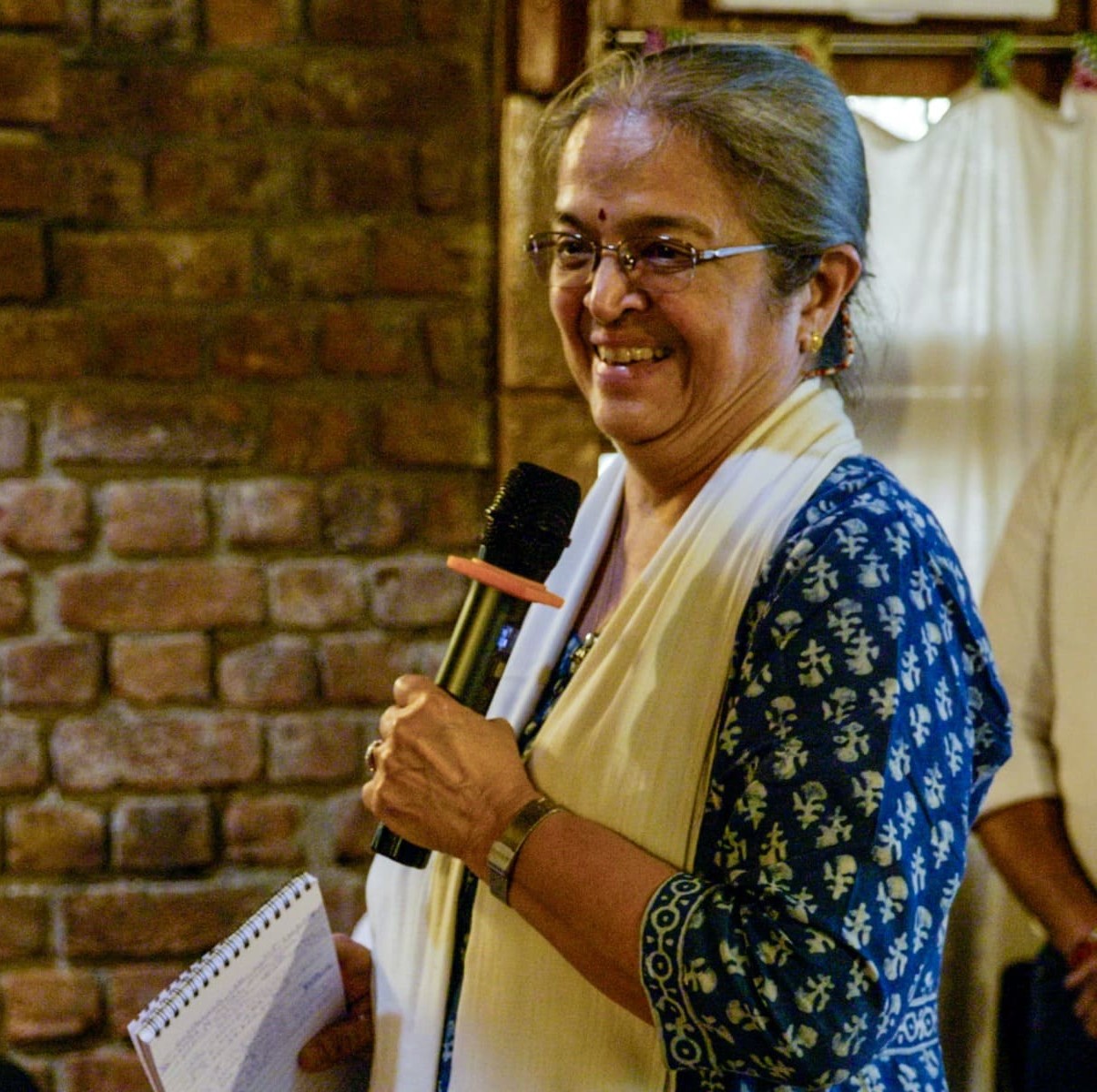
Dr. Gita Sen is one of India's most distinguished feminist scholars, gender experts, and public intellectuals, internationally recognized for her pioneering work on gender equality, women's rights, public health, and development policy. Trained as an economist, she received her Ph.D. from Stanford University and has spent over four decades shaping global conversations on gender justice, reproductive rights, and equitable development. She has served as Professor at the Indian Institute of Management Bangalore, Adjunct Professor at the Harvard T.H. Chan School of Public Health, and Distinguished Professor at the Public Health Foundation of India. Her work bridges academic research, public policy, and grassroots activism, making her one of the most influential voices in feminist development thinking from the Global South. Dr. Sen is a founding member and long-time leader of DAWN (Development Alternatives with Women for a New Era), an influential international feminist network that played a major role in advancing global agendas on women's rights, health, and social justice. Her scholarship and advocacy have significantly contributed to international frameworks on population, development, reproductive health, and gender equity. Over the years, she has worked extensively with institutions such as the United Nations, WHO, UNFPA, and the World Bank, serving on numerous international advisory bodies and policy panels. Her work is especially noted for bringing together issues of gender, poverty, labour, health, and human development within a rights-based and socially grounded framework. Widely published and deeply respected across academic and activist circles, Dr. Sen has received several prestigious international honours, including the Dan David Prize for Gender Equality and the Volvo Environment Prize. Her lifelong contribution continues to inspire scholars, policymakers, feminists, and social justice movements across the world.
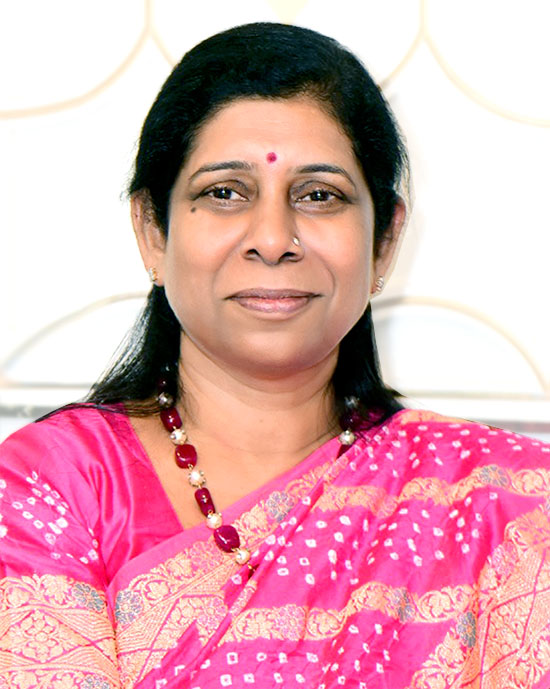
Prof. Y. Vimala is a distinguished academic, botanist, and higher education administrator with decades of experience in teaching, research, and university leadership. She currently serves as the Vice Chancellor of Maa Shakumbhari University, Saharanpur, and is widely respected for her contributions to plant sciences and academic institution-building. Before taking on the role of Vice Chancellor, Prof. Vimala served as Pro Vice Chancellor and Professor in the Department of Botany at Chaudhary Charan Singh University, Meerut. Her academic work has focused on plant physiology, biotechnology, medicinal plants, tissue culture, and environmental stress biology. Over the course of her career, she has guided numerous research scholars and contributed extensively to scientific publications and academic discourse in botany and life sciences. Known for combining scientific rigor with institutional vision, Prof. Vimala has played an important role in strengthening research culture, innovation, and interdisciplinary learning within higher education institutions. She has also been actively involved in mentoring young researchers and promoting science education with social relevance. Her scholarly contributions, academic leadership, and commitment to inclusive and forward-looking education have earned her recognition across academic and scientific communities in India.
Dr. Shanti S. Sharma is a distinguished scientist, educator, and academic leader in the field of plant sciences and life sciences. He served as Senior Professor in the Department of Botany at Sikkim University, where he contributed significantly to teaching, research, mentorship, and institutional development. With decades of experience in higher education and scientific research, Dr. Sharma is widely recognized for his work in plant physiology, plant biochemistry, environmental stress biology, and phytoremediation. His research has focused on understanding how plants respond to abiotic stresses such as heavy metal toxicity, drought, and changing environmental conditions, with particular relevance to ecological sustainability and fragile mountain ecosystems. Over the course of his academic career, he has published extensively in reputed national and international scientific journals and has guided numerous students and researchers in the field of life sciences. His work has contributed to advancing scientific understanding of plant stress tolerance and environmentally sustainable approaches to pollution management. Dr. Sharma has also represented Indian science internationally through several prestigious fellowships and academic collaborations, including the Marie-Curie Fellowship in The Netherlands, the DBT Overseas Associateship in Germany, and the JSPS Invitation Fellowship in Japan. These engagements reflect both his global academic standing and his commitment to collaborative scientific inquiry. Alongside his research contributions, Dr. Sharma has played important leadership roles within academic institutions, supporting innovation, interdisciplinary learning, and the growth of scientific education. He is respected by colleagues and students alike for his scholarly depth, mentorship, and enduring contribution to the advancement of life sciences in India.
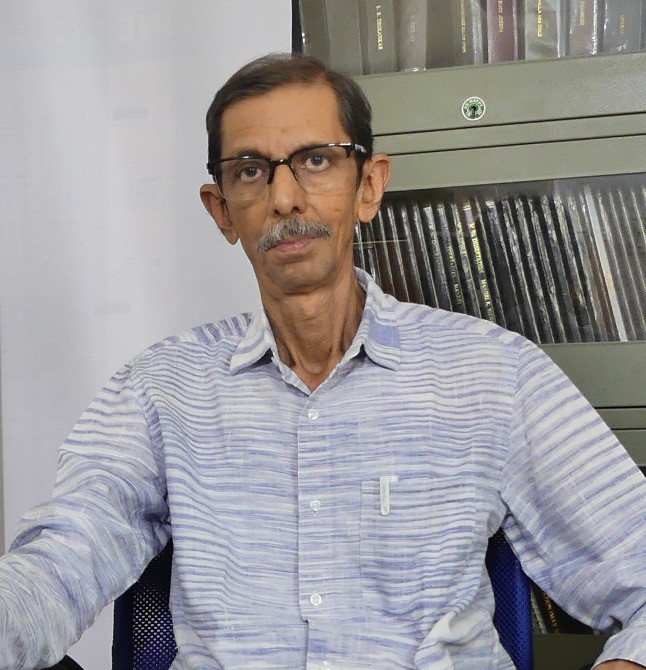
Dr. Himanshu Kulkarni is one of India's foremost hydrogeologists and groundwater experts, widely recognised for his pioneering work on aquifers, groundwater governance, and community-based water management. He is the co-founder of ACWADAM (Advanced Center for Water Resources Development and Management), a pioneering knowledge institution and think tank that has transformed the understanding and practice of groundwater management in India. With over four decades of experience, Dr. Kulkarni has worked extensively across India's diverse hydrogeological regions, from the basalt aquifers of the Deccan plateau to the springsheds of the Himalayan region. His work has played a crucial role in shifting groundwater discourse in India from a narrow focus on wells and extraction towards an aquifer-based understanding of groundwater as a shared and common resource. Through ACWADAM, he has helped develop and mainstream the practice of participatory groundwater management, bringing together scientific research, community knowledge, and local governance. His contributions have significantly influenced water policy, watershed development, springshed management, and rural water security initiatives across India and neighbouring countries. Dr. Kulkarni has served in several advisory roles with the Government of India and has contributed to important national initiatives related to groundwater governance, aquifer mapping, and sustainable water management. He has also been associated with leading academic institutions as a teacher, mentor, and visiting faculty member, including IIT Bombay, TISS Mumbai, and Shiv Nadar University. A prolific scholar and public intellectual, he has authored numerous influential publications on groundwater science, hydrogeology, and water governance. His work is deeply respected for bridging rigorous science with practical field engagement and for making the invisible world of groundwater accessible to communities, practitioners, and policymakers alike. In recognition of his extraordinary contribution to water science and sustainability, Dr. Kulkarni was awarded the prestigious International Water Prize in 2025, becoming one of the leading global voices on groundwater and community-centred water stewardship.
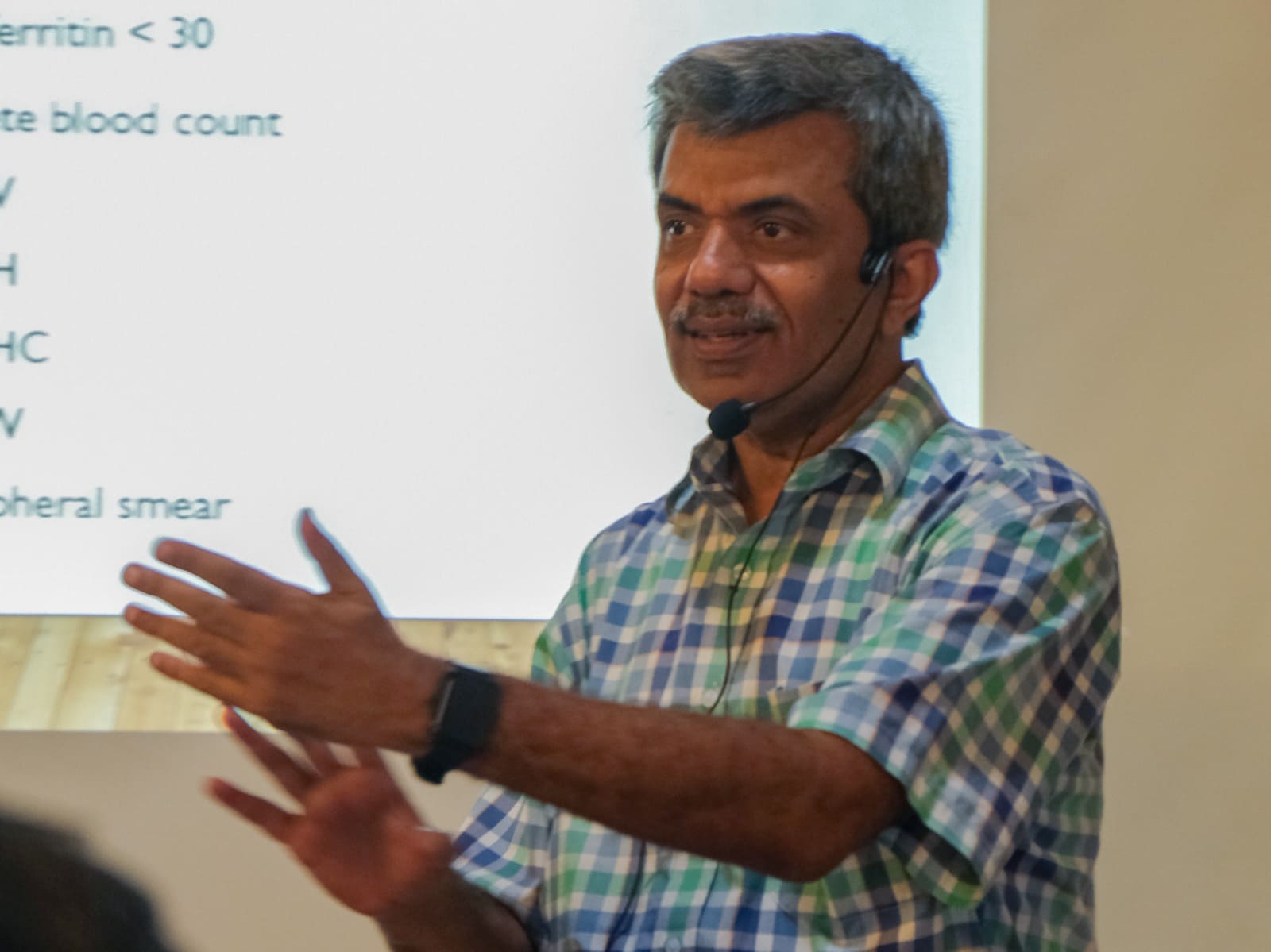
Yogesh Jain has an MD in Paediatrics from the All India Institute of Medical Sciences, New Delhi where he also served as a faculty member for a few years, but is a public health physician in practice. He has been primarily involved in "primary health care" — through founding and running a community health programme — Jan Swasthya Sahyog (People's Health Support Group) in rural Bilaspur in central India with like-minded health professionals since 1999 and Sangwari in Surguja in northern Chhattisgarh. People from over 3000 of the most marginalised villages that are home to the indigenous people access these services for their major health care needs. He has been involved in addressing the issues — be they technical, operational, economic or political — that determine the health care for the rural poor through clinical care, careful documentation, observational research studies, developing appropriate health related technology, training, and lobbying, all based on the continual learning from this community health programme. Observing health and illnesses through the lens of hunger and extreme poverty, he has been a strident believer in the continued role of the state as the primary provider of social services and also that unbridled privatization is not the way forward in an unequal world in which we live. He is a strident believer in the state as the primary provider of social services and also that unbridled privatization is not the way forward in an unequal world in which we live.
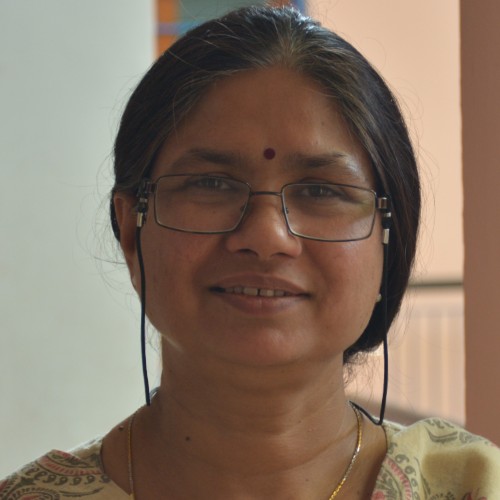
Ashwini Kulkarni is a development practitioner, policy researcher, and social sector leader known for her longstanding work on rural livelihoods, employment rights, natural resource management, and poverty alleviation in India. She is the Founder Trustee and Director of Pragati Abhiyan, a Nashik-based civil society organisation that works closely with rural and tribal communities, particularly in Maharashtra. For over three decades, Ashwini Kulkarni has been deeply engaged with issues related to rural development, governance, watershed management, climate-resilient agriculture, and implementation of public welfare programmes such as MGNREGA. Her work is widely recognised for bridging grassroots realities with public policy and institutional reform. Through Pragati Abhiyan, she has helped develop innovative approaches that strengthen the effective delivery of government programmes while promoting community participation and local accountability. Her work has especially focused on tribal regions, sustainable agriculture, water conservation, millet-based farming systems, and strengthening rural livelihoods in ecologically vulnerable areas. Ashwini Kulkarni has also contributed extensively to policy discussions, research, and public debate on employment guarantee programmes, food systems, water governance, and rural poverty. She has collaborated with researchers, academic institutions, and government bodies, and her writings have appeared in leading policy and development platforms. Known for her field-based perspective and systems approach, she continues to play an important role in advancing inclusive and sustainable models of rural development rooted in equity, ecological resilience, and democratic participation.
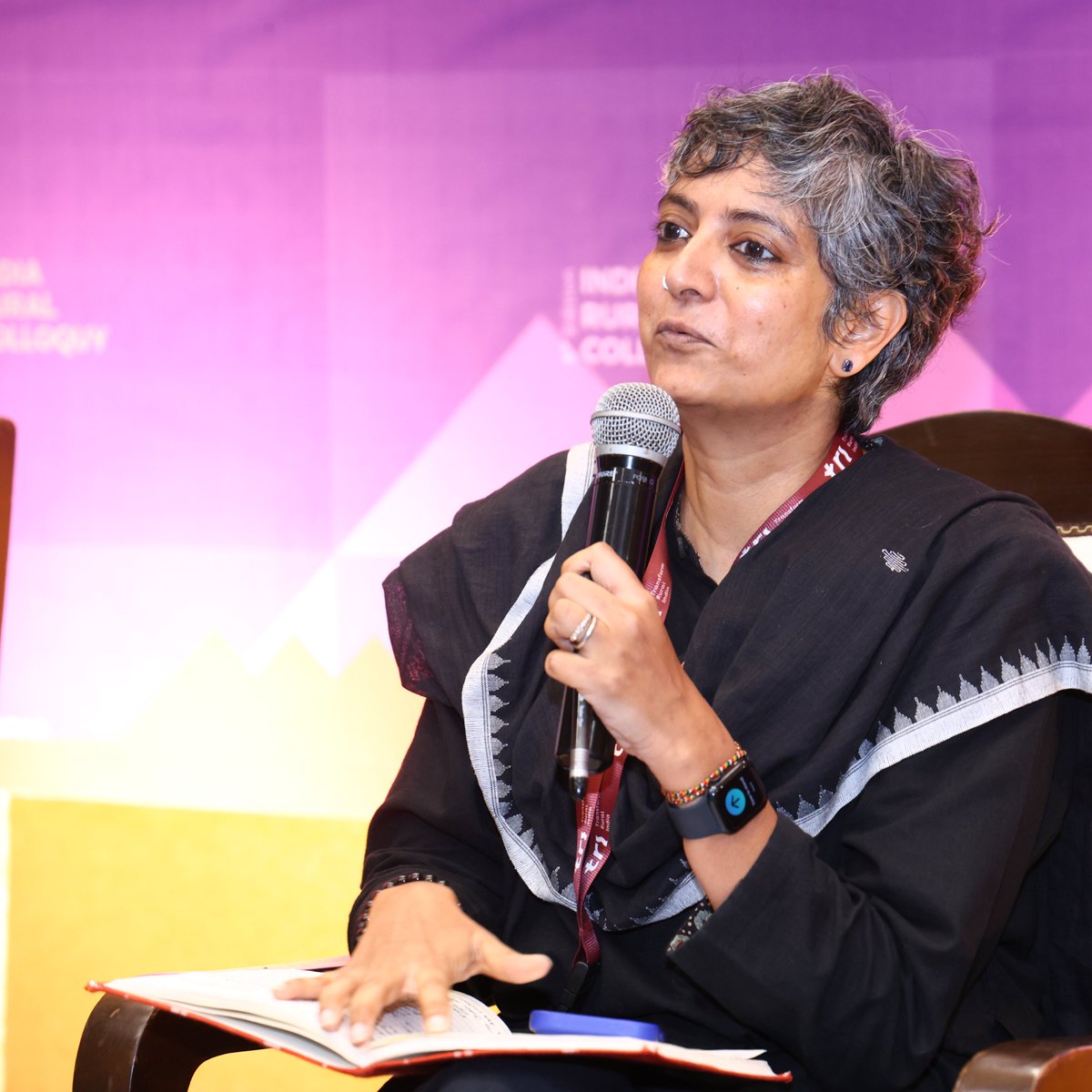
Dr. Mekhala Krishnamurthy is Associate Professor of Sociology and Anthropology at Ashoka University. Trained at Harvard, Cambridge, and University College London, where she was a Global Excellence Scholar, she works at the intersection of social and civic thought and action, public welfare, economic life, and everyday government. Over the past 20 years, Mekhala's research, policy and professional engagements have involved work across a range of field sites and subjects, including informal women's courts, popular justice and dispute resolution, community health workers and public health and nutrition, agriculture and agricultural markets, land, water and livelihoods, and regional and local economy. As an anthropologist, Mekhala's work engages most deeply with classical and contemporary questions animating the anthropology of the state and market. As a result of long-term fieldwork immersed in mandis and marketplaces, Mekhala has developed an abiding interest in grappling with the diversity, complexity and dynamism of agricultural markets, regional capitalism and economic life in India. She has conducted and led field research in agricultural markets across multiple states, including in Madhya Pradesh, Karnataka, Bihar, Odisha and Punjab and has published extensively on agricultural policy and practice in India. Mekhala is also a leading scholar of state capacity in India. Building on her other longstanding interest in the everyday state, bureaucracy and public systems, from 2019 – 2024, Mekhala developed and directed the State Capacity Initiative at the Centre for Policy Research (CPR), New Delhi. She is currently engaged in building out new work on Relational State Capacity (RSC), an exploration and effort to renew our focus and revitalise our conceptual and practical approach to an essential, yet often residual component of state capacity: the character and quality of relationships between citizens and public servants across diverse local contexts, where they matter most. Mekhala has been globally recognised as one of Apolitical's '100 Most Influential Academics in Government' and LGIU's 'top 25 thinkers in local government'.
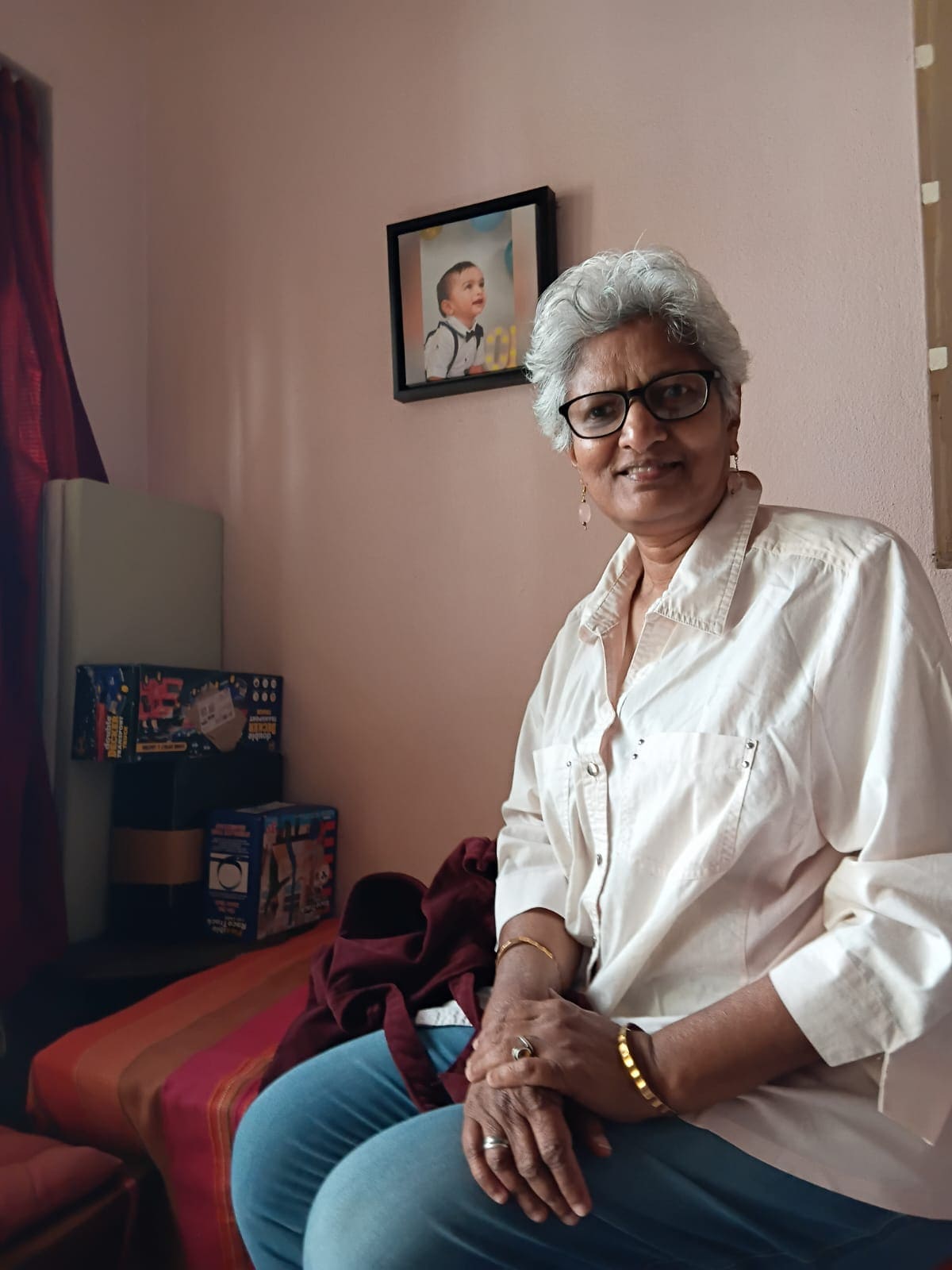
Anu Gupta is an educator, researcher, and writer associated with Eklavya, Dewas, one of India's pioneering organisations in education, science communication, and social development. Her work has focused extensively on adolescent health education, gender, sexuality, and participatory learning processes rooted in the social realities of rural India. Over the years, she has played an important role in developing innovative educational materials and community-based learning programmes, especially for adolescents and young women. Her work with Eklavya has combined scientific understanding with sensitivity to questions of gender, health, identity, and social inequality, helping create spaces for dialogue and critical reflection within schools and communities. Anu Gupta has contributed to important publications and training programmes on adolescence education, reproductive health, and gender awareness in Madhya Pradesh. Her writing is known for being grounded in lived experience, local context, and a deep engagement with educators, students, and grassroots practitioners. She has also contributed to broader conversations on democratic education, disability, women's health, and social inclusion through research, curriculum development, and educational resource creation. Her work reflects Eklavya's longstanding commitment to critical pedagogy, scientific temper, and socially meaningful education.
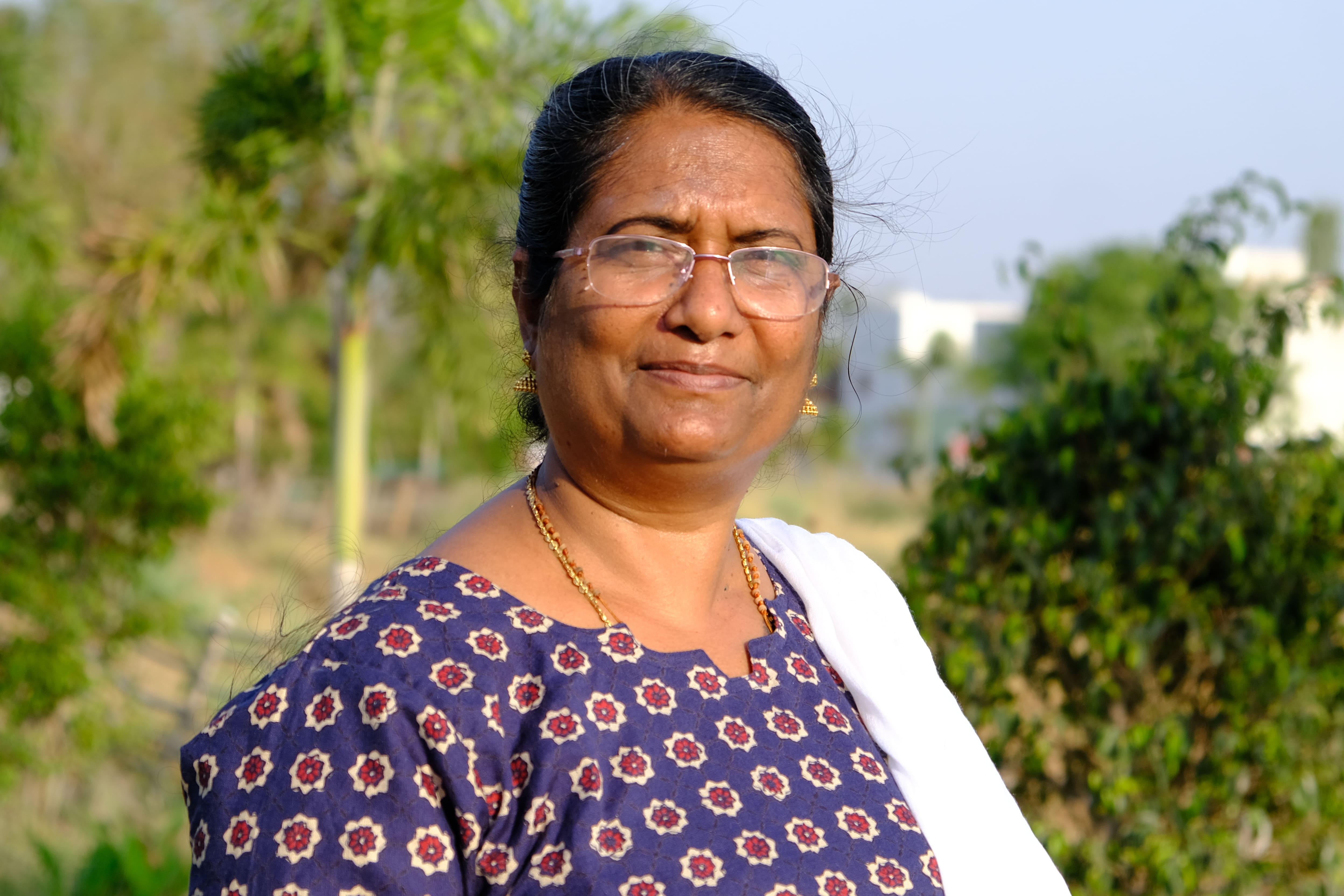
Ms. Sini Jolly is an Experienced finance and accounts professional with 31 years of experience. Since 2005, she has been dedicated service at Samaj Pragati Sahayog (SPS), where she currently serves as the Chief Accounts Officer and also holds the position of Treasurer. She has a strong academic background in commerce, having completed her Bachelor of Commerce from Mahatma Gandhi University, Kerala. Ms. Sini has extensive experience in managing FCRA and non-FCRA project accounts, grant utilization tracking, statutory compliance (including IT and TDS returns), audit processes and donor financial reporting. Ms. Sini Jolly is an Experienced finance and accounts professional with 31 years of experience. Since 2005, she has been dedicated service at Samaj Pragati Sahayog (SPS), where she currently serves as the Chief Accounts Officer and also holds the position of Treasurer. She has a strong academic background in commerce, having completed her Bachelor of Commerce from Mahatma Gandhi University, Kerala. Ms. Sini has extensive experience in managing FCRA and non-FCRA project accounts, grant utilization tracking, statutory compliance (including IT and TDS returns), audit processes and donor financial reporting.
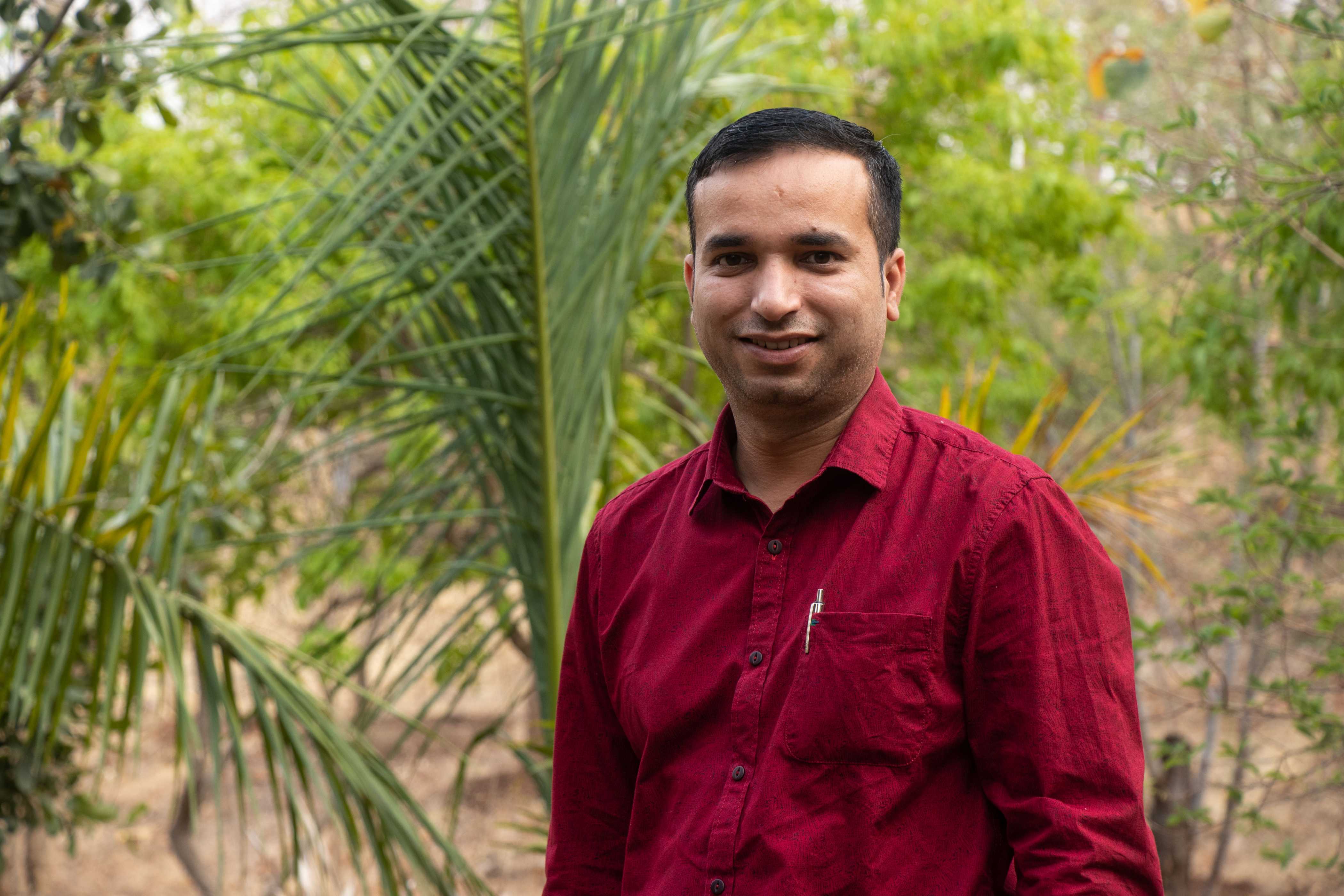
Mr. Shirish Yogi currently serves as the Secretary Samaj Pragati Sahayog (SPS) and is a member of its Executive Committee. He provides leadership in organisational governance, donor engagement, and community-led development initiatives. He also served as the Treasurer of SPS from 2020 to 2025, contributed to strengthening financial systems, compliance, and transparency within the organisation. A development professional with more than two decades of experience in community development, women's empowerment, rural livelihoods, and institution building, Mr. Yogi has been associated with the organisation since 2006, shortly after completing his post-graduation in Social Work (Urban & Rural Community Development) from Devi Ahilya Vishwavidyalaya, Indore. He joined SPS as a Programme Officer to strengthen the Self-Help Group (SHG) programme, leading initiatives focused on financial inclusion, livelihood promotion, and grassroots institution building. In 2014, he was appointed as the Programme In-Charge for the SHG programme where he played a key role in expanding the programme's outreach and transitioning data collection systems from manual processes to digital platforms. He led the development of an innovative accounting software for SHGs called Pragati Mitra and Pragati Vistaar which has enabled real-time data capture for the SHG programme since 2014, including financial transactions, loan disbursements, savings records, and member-level credit tracking. Known for his commitment to learning and innovation, Mr. Yogi is deeply passionate about translating new ideas into impactful programmes that strengthen institutions and improve rural livelihoods.