
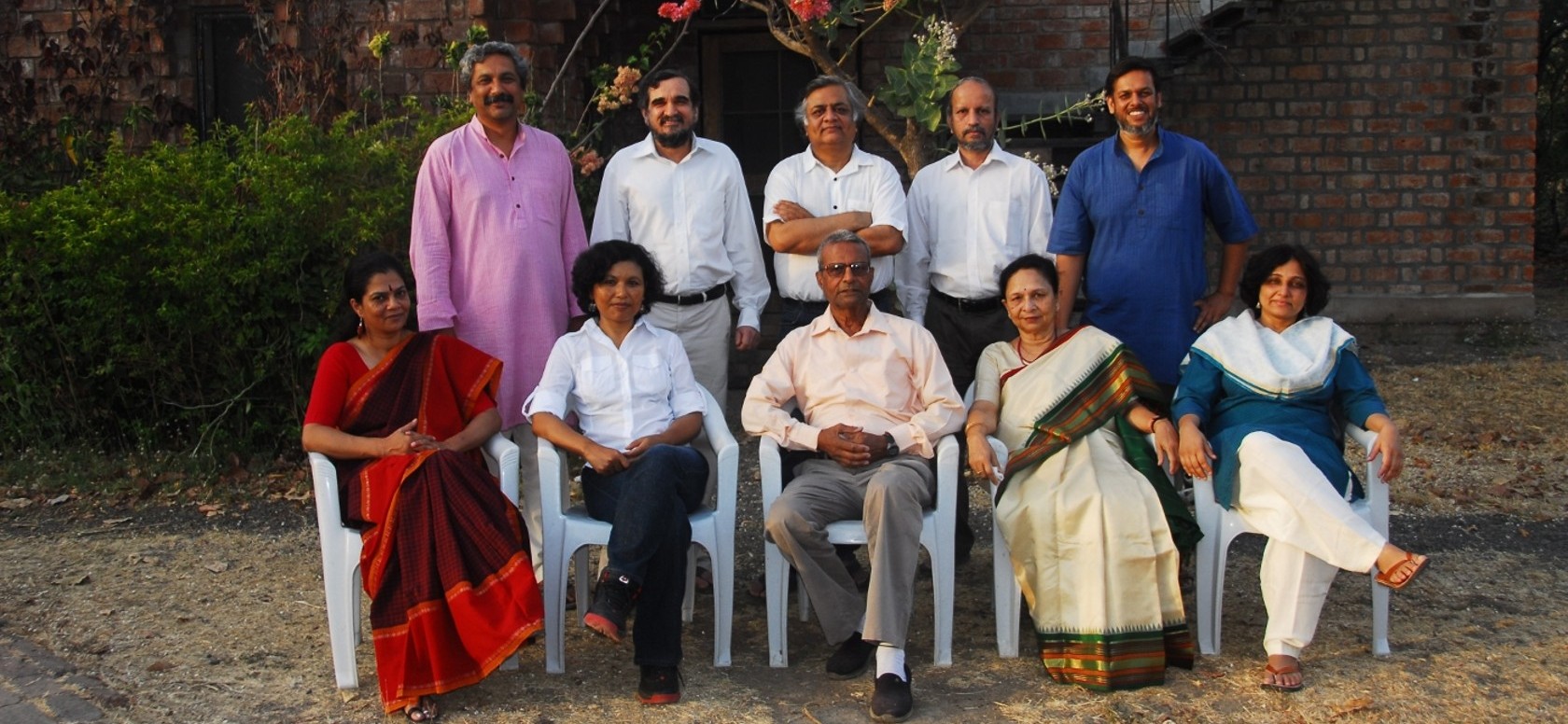
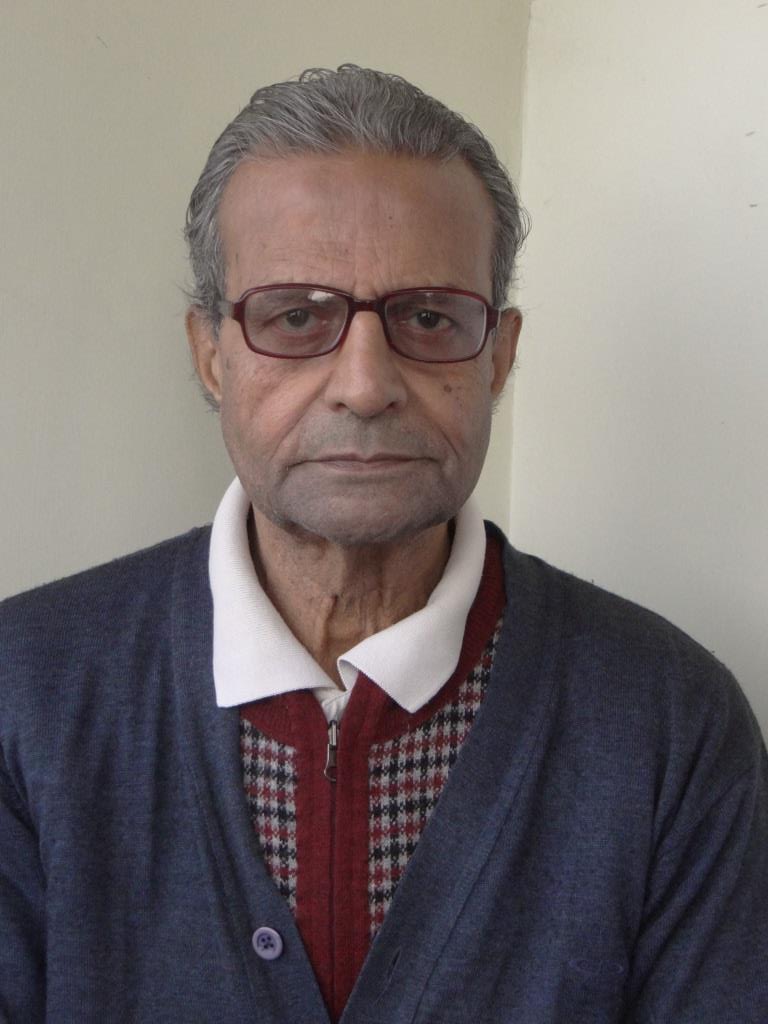
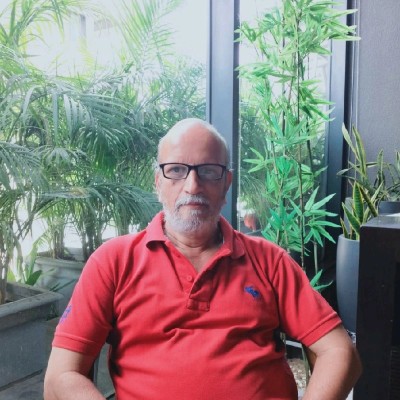
Dr Debashis Banerji is an internationally acclaimed biologist and one of India's most distinguished scientists, whose work spans biological sciences, ecology, and sustainable agriculture. He is also one of the seniormost founder members of Samaj Pragati Sahayog, having played a pivotal role in shaping the organisation's vision of combining scientific excellence with grassroots action for sustainable and equitable development.
A Gold Medallist from the University of Allahabad, Dr. Banerji belongs to a select group of Indian scientists whose original research has been published in Nature, the world's most prestigious scientific journal. This rare distinction reflects both the scientific rigour and global significance of his contributions to biology and ecosystem science.
At SPS, Dr. Banerji provides strategic and scientific leadership to the Agriculture Programme, guiding approaches that place ecological integrity and community well-being at the centre of agricultural development. His work is founded on the conviction that farming systems must function in harmony with nature while enhancing the resilience and prosperity of rural communities.
Over the years, Dr. Banerji has been instrumental in advancing agroecological approaches that regenerate soils, conserve biodiversity, and strengthen the adaptive capacities of smallholder farmers, particularly in rainfed and resource-constrained landscapes. He has championed farming models that reduce dependence on external chemical inputs and instead harness ecological processes, local genetic resources, and traditional knowledge systems to improve productivity and sustainability.
A defining feature of his work is his ability to bridge cutting-edge scientific inquiry with practical field application. By translating complex ecological principles into locally relevant solutions, he has helped SPS develop community-led initiatives that simultaneously address food security, environmental restoration, and climate resilience. His guidance has also fostered a culture of scientific inquiry among practitioners, researchers, and rural communities.
Widely respected for his intellectual depth, scientific integrity, and humility, Dr. Banerji embodies the founding ethos of SPS. His lifelong commitment to ecological regeneration and rural transformation continues to inspire innovative pathways for building resilient agricultural systems that sustain both people and the natural environments on which they depend.
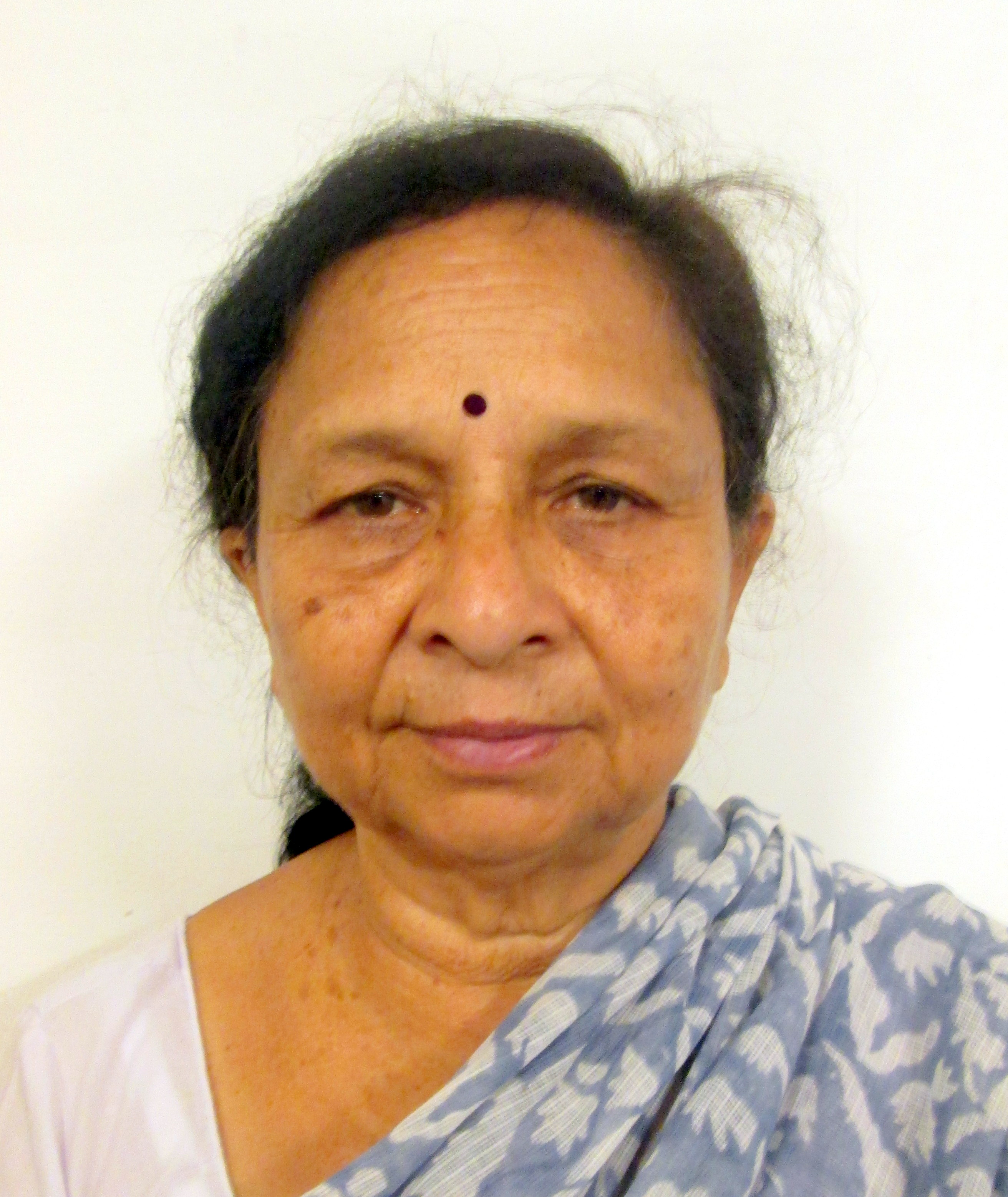
Dr Mridula Banerji is the President of SPS and a distinguished psychologist, social advocate, and institution builder with a lifelong commitment to the rights and well-being of marginalized communities. A gold medallist from Allahabad University and holder of a PhD in Psychology, she brings a unique blend of academic rigour, administrative leadership, and deep social sensitivity to her work.
As a founding member and core leader of SPS, Dr Mridula has played a pivotal role in shaping the organisation's vision and strengthening its institutional foundations. She provides strategic guidance on organisational governance and administrative systems, ensuring that SPS's programmes remain responsive, accountable, and grounded in the realities of rural and tribal communities.
Dr Mridula has been a strong and consistent advocate for the fundamental rights of children, particularly the rights to nutrition, health, and dignity. Under her leadership, SPS has developed innovative community-based initiatives to address child malnutrition and improve maternal and child health outcomes in some of the most vulnerable and drought-prone regions of Madhya Pradesh.
She provides leadership to SPS's Right to Food and Nutrition initiatives, which focus on improving the delivery of nutrition services, enhancing transparency and accountability in public systems, and empowering communities to claim their legal entitlements. She has also championed efforts to revive indigenous, nutrient-rich food traditions and strengthen supplementary nutrition programmes for children, adolescent girls, and pregnant and lactating women.
Drawing upon her training in psychology, Dr Banerji approaches development as a process that must place human dignity, community participation, and social inclusion at its centre. Her work has contributed significantly to reducing child malnutrition, improving maternal healthcare practices, increasing institutional deliveries, and strengthening community-based systems for tracking and supporting pregnant women and young children.
Through her compassionate leadership and unwavering commitment to social justice, Dr Mridula Banerji continues to inspire SPS's mission of building equitable, resilient, and rights-based development pathways for Adivasi, Dalit, and other historically disadvantaged communities.
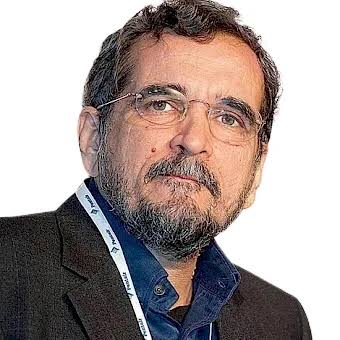
Dr. Mihir Shah was Secretary, SPS from 1993 to 2009 and from 2014 to 2020
Currently, he is Distinguished Professor and Chair of the Rural Management Program at Shiv Nadar University. This is a first-of-its-kind program, which draws students from the most disadvantaged regions and communities of India and aims to build a cadre of gen-next leaders who will lead a movement for transformation of rural India.
Dr. Shah graduated in Economics from St. Stephen's College, Delhi University (where he won the prestigious KC Nag Economics Prize) and did his post-graduation from the Delhi School of Economics (where he was Merit Scholar) in the 1970s, before going on to complete a much-acclaimed doctoral dissertation at the Centre for Development Studies, Kerala. After teaching for some years at the Centre, he resigned to explore fresh terrain beyond the ivory towers of conventional academia, which culminated in 1990 in the formation of Samaj Pragati Sahayog.
From 2009 to 2014, Dr. Shah was Member, Planning Commission, Government of India, holding the portfolios of Water Resources, Rural Development and Panchayati Raj. He is the youngest ever Member of the Planning Commission. He was chiefly responsible for drafting the paradigm shift in the management of water resources enunciated in the 12th Five Year Plan. He also initiated a makeover of Mahatma Gandhi National Rural Employment Guarantee Act (MGNREGA), the largest employment programme in human history, with a renewed emphasis on rural livelihoods, based on construction of productive assets.
In 2019, the Government of India invited Dr. Shah to chair the committee to draft the new National Water Policy (NWP). This is the first time since the NWP was first drafted in 1987 that a person from outside the government has been asked to chair this Committee. In 2015, the Government of India invited him to chair a Committee on Restructuring the Central Water Commission and Central Ground Water Board, and also to chair a Committee to draft the National Water Framework Law and the Model Groundwater (Sustainable Management) Bill. In 2017-18, he chaired a Task Group set up by the Government of Karnataka, which submitted a new Karnataka State Water Policy in December 2018. In October 2019, the Government of Madhya Pradesh invited him to chair a Group of Experts to draft a new Water Strategy for MP.
Dr Shah was the first President of the Bharat Rural Livelihoods Foundation (2013-19), which supports innovative civil society action in close partnership with state governments. He was the first Chair of the Revitalising Rainfed Areas (RRA) Network (2014-18) and the National Coalition for Natural Farming (NCNF) (2021-26). He is a Founding Signatory of the Geneva Actions on Human Water Security, 2017. He was a Member of the International Steering Committee of the CGIAR Research Program on Water, Land and Ecosystems (WLE) from 2012 to 2018. His research has been published extensively in pre-eminent journals such as Economic and Political Weekly, Current Science, Ambio, Hydrogeology Journal, Journal of Hydrology, Contributions to Indian Sociology, Review of Development and Change, International Journal of Rural Management, Seminar and Indian Journal of Labour Economics. Dr. Shah has addressed audiences on his life’s work all over the world from Stanford University to the World Bank in Washington, the OECD in Paris, the Arctic Circle in Iceland, Chatham House and University College, London, University of Cambridge, England, UNESCO-IHE, Delft, International Institute for Applied Systems Analysis, Austria, the EAT Forum, Stockholm, Rachel Carson Centre, Munich, Sichuan University, China, International Water Management Institute, Colombo, the Asian Development Bank, Manila, the Asian Institute of Technology, Bangkok and the Singapore Water Week. He was the Keynote Speaker at the Global Water Summit at Rome in 2012 and the International EcoSummit Congress at Montpellier in 2016. Dr. Shah delivered the Lovraj Kumar Memorial Lecture in 2007, Abhyas Mandal Golden Jubilee Lecture in 2009, Ranjan Roy Memorial Lecture at St. Stephen’s College, Delhi University in March 2010, the Malcolm Adiseshiah Centenary Lecture at the Madras Institute of Development Studies in April 2010, Centre for Study of Developing Societies Golden Jubilee Lecture in February 2013, BG Deshpande Memorial Lecture in December 2013, Smarajit Memorial Lecture in 2014, Ramaswamy Iyer Memorial Lecture in 2016, Commencement Lecture at the Srishti Institute of Art, Design and Technology in July 2017, Centre for Development Studies Founders Day Lecture in December 2017, the inaugural ML Dantwala Memorial Lecture in November 2018, the Convocation Address at the Ambedkar University Delhi in December 2018, the inaugural Sujathadevi Memorial Lecture at Maharaja’s College, Ernakulam in July 2019, the KN Raj Memorial Lecture, Centre for Development Studies in March 2021 (Thiruvananthapuram), the KN Raj Memorial Lecture, COSTFORD in June 2022 (Thrishur) and the first Jayanta Bandyopadhyay Endowment Lecture on Water Governance at the 12th Biennial Conference of the Indian Society for Ecological Economics, BML Munjal University, February 2024
Please visit- https://en.wikipedia.org/wiki/Mihir_Shah.
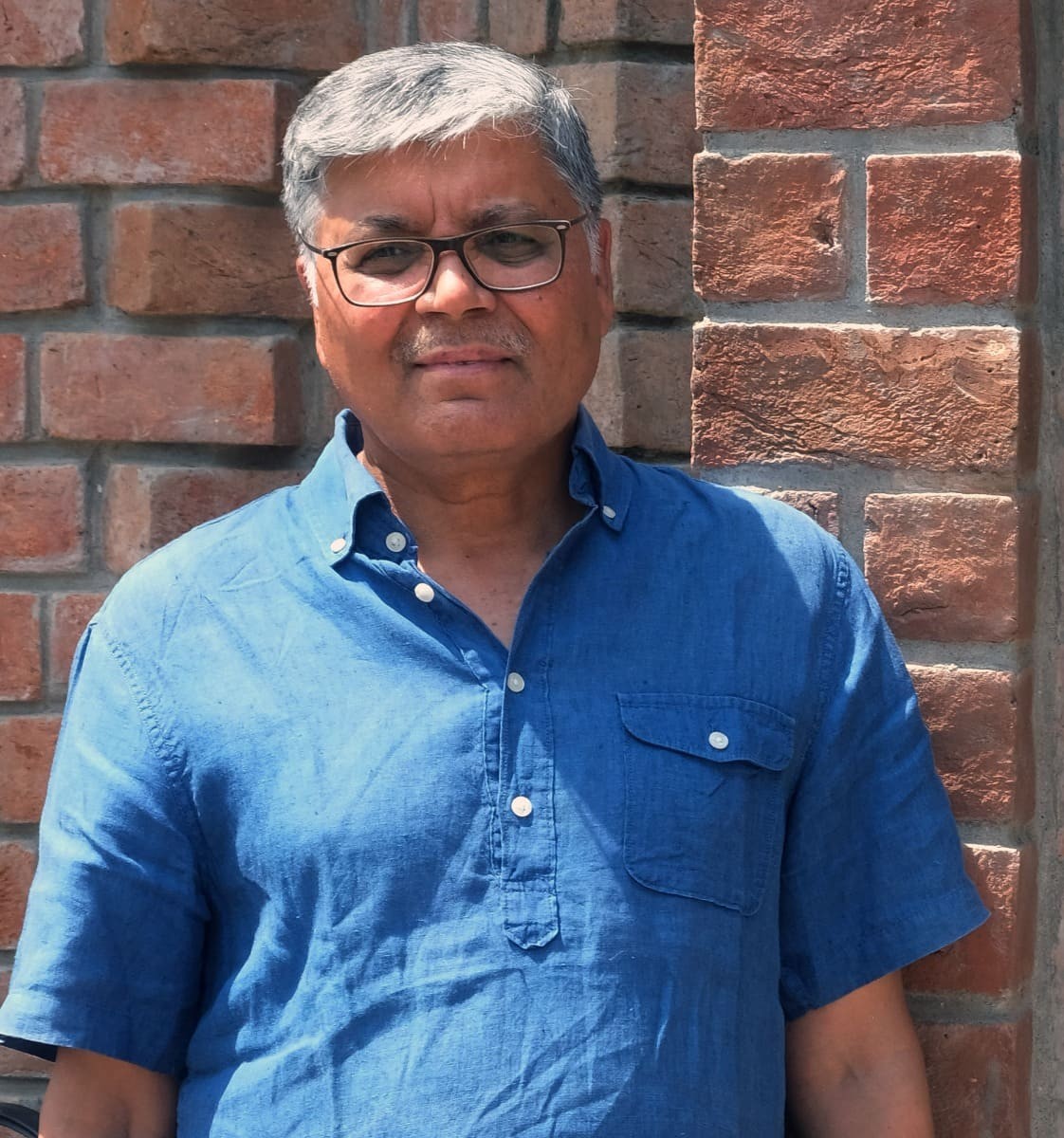
P.S. Vijayshankar is a Co-Founder of SPS. He completed his MPhil in Applied Economics from Jawaharlal Nehru University. His areas of interest include ecological agriculture, rural livelihoods and community institutions. agricultural markets. He was a Visiting Scholar at the Centre for Advanced Study of India (CASI), University of Pennsylvania, Philadelphia, USA, (2011) and is currently Professor of Practice at School of Humanities and Social Sciences (SHSS), Shiv Nadar University, Delhi. His recent publications include Tribal Development Report: Livelihoods, Human Development and Governance, (co-edited with Mihir Shah, 2 Vols.), brought out by Bharat Rural Livelihoods Foundation (BRLF) and Routledge and Madhya Pradesh 1947-2020” An Economic History (forthcoming), published as part of the Economic History of India, State Series by the Cambridge University Press. He is also one of the seven Founder-Directors of Nature Positive Foundation (N+3F), a non-profit company engaged in the promotion of sustainable and nature positive farming and chemical- free food systems.
Pramathesh Ambasta completed his graduation in Economics from St. Stephen’s College, Delhi and holds a Master’s degree in Economics from Jawaharlal Nehru University. As Director, Training and Support of the Baba Amte Centre for People’s Empowerment, SPS, he led the Centre’s training, support and partnership effort working with 120+ grassroots partners across 12 states. He was centrally involved in designing and execution of capacity building programs, training materials and films and the research and policy work of SPS. He was Program Officer of the MGNREGA-based watershed program implemented by SPS between 2008 and 2015. He co-founded and led the National Consorium of Civil Society Organizations for MGNREGA in 76 districts, impacting 500,000+ households. He authored three reports on recommendations for reforms of MGNREGA implementation which were accepted by GoI. Pramathesh Ambasta was the team leader for a comprehensive scoping study conducted by SPS, on Climate Resilient Growth through MGNREGA for DFID, which informed DFID’s interventions in India on the theme. As Treasurer of SPS he was responsible for financial monitoring, audits and compliances and reporting to the SPS board. From 2017 to 2022, he served as the Chief Executive Officer of Bharat Rural Livelihoods Foundation, an autonomous grant making organization set up by Government of India (GoI), which amplifies resources by unlocking greater investments from the state. Under his leadership, BRLF’s work grew three-fold, working with its partners on sustainable livelihoods, with more than 734,000 households across 8 states of Central India. As CEO, he gave overall strategic leadership, vision and direction, oversaw implementation, explored and cemented partnerships, interfaced with the GoI, ensured financial and legal compliance and audits, lead resource mobilization, building teams and framing policies. He led the development of a unique model of state and civil-society partnerships in 6 states for multi-sector programs on watershed regeneration, climate adaptation, and tribal livelihood. Under his leadership, BRLF produced the first ever Tribal Development Report in two volumes, with papers on governance, human development and livelihoods written by experts on the Central Indian Tribal Belt. Over the years, he has held many positions in high powered committees set up by the Government of India, including the Central Employment Guarantee Council and the Empowered Group of Officers of the Government of India to suggest measures for the accelerated development of Left Wing Extremism affected areas. He has authored and co-authored one book and many papers and newspaper articles.
Shubhlaxmi Pande did her Masters from Jawaharlal Nehru University (JNU), New Delhi. She is a Co- Founder of Samaj Pragati Sahayog (SPS), an NGO based in Central India and was a member of its Executive Committee from 1992 to 1998. She is also one of the directors of Kumbaya, the social enterprise promoted by SPS. She was Faculty member, Baba Amte Centre for People’s Empowerment, set up for the capacity building on watershed management by Ministry of Rural Development, GoI. Her unique ability is to bring people together and liaison with administrators, policy makers, donors and resource persons. She has taught in various schools in Africa and India. She worked as Instructor at Inlingua, Delhi, conducting communicative teaching of English to adults in beginning/mid-career and was a resource person with Shri Aurobindo Ashram, Mirambika Free Progress School and Mathri Karuna Vidyalaya, Delhi, where she trained teachers. She has written text books on Environmental Science for primary school classes, which have been published by Pinnacle India. She has been a board member of Society for Rural and Tribal Initiatives (SRUTI), an NGO based in Delhi.
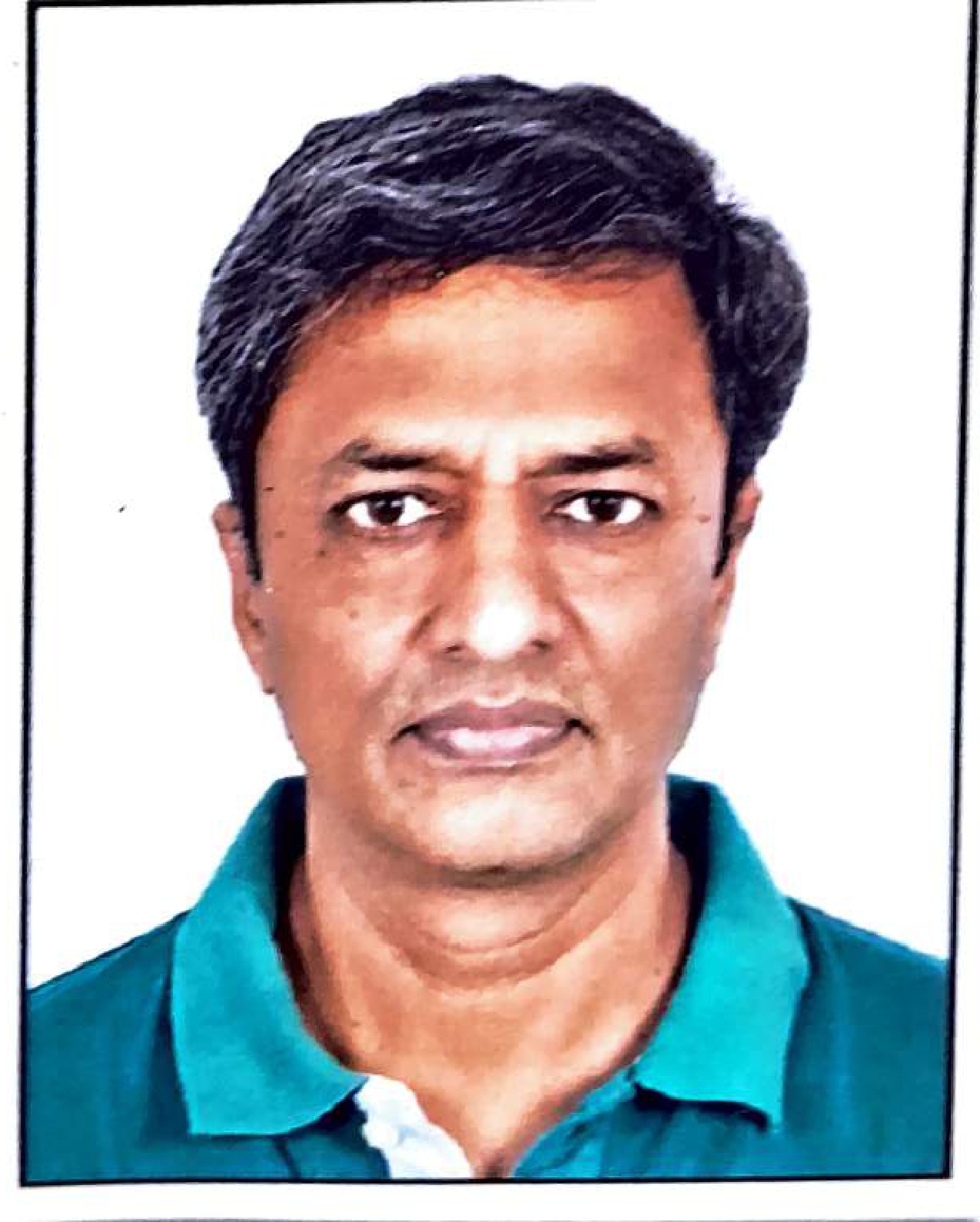
Srinivasan Iyer has worked for more than 35 years on sustainable livelihoods with some of India’s most marginalized communities. He was most recently (till September 2025) Consultant (Senior Fellow) at the New Political Economy Initiative, IIT Bombay. Prior to this, he was Senior Program Officer at Ford Foundation, and Assistant Country Director (Energy and Environment) at UNDP India. During this period, he supported CSOs and social enterprises on community-led initiatives to advance the cause of sustainable and inclusive growth. These initiatives included work with farmers, crafts producers, and forest dependent communities. He has also worked with academic institutions, policy thinktanks and government agencies on Industrial Policy aimed at job-rich sustainable growth strategies. He is one of the co-founders of Samaj Pragati Sahayog, one of Central India’s largest initiatives on livelihood security for Adivasi communities. He holds an M Phil in Economics.
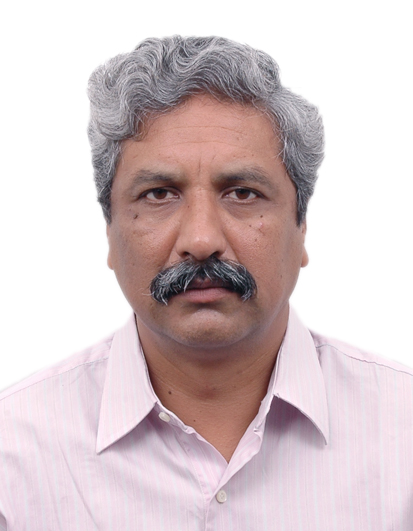
Rangu Rao is the CEO of Safe Harvest Private Limited (SHPL), a company formed by 8 nationally renowned grassroots organisations. SHPL markets pesticide free food products under the brand name ‘ Safe Harvest’ in the country. SHPL partners and sources its products from 30 farmer producer organisations who are located in some of the most difficult geographies of the country. More than 1,00,000 farmers majority of whom are women form the membership base of these producer organisations. His work has ensured a 30-40% rise in incomes of farmers and provided the small and marginal farmers a connect with organised retail markets while reducing the risks associated with crop cultivation.
Before joining SHPL in 2015, for more than 25 years Rangu Rao lived in Bagli, a tribal dominated region of Dewas district in MP. He worked in some of the most challenging, drought-prone, backward areas of the country.
He is a co-founder of Samaj Pragati Sahayog (SPS) one of India's largest grass-roots initiatives for water and livelihood security. The work of SPS shows that women centric, location-specific watershed development combined with nature positive agriculture, other nature-based & off farm livelihoods and micro-finance, can result in sustained higher incomes and empowered communities, providing an enduring panacea for India's suicide-ridden drylands.
In recognition of his expertise in the field, the Government of India invited him to Chair the Working Group on Mahatma Gandhi National Rural Employment Guarantee Act (MGNREGA) as part of the preparation for the 12th Five Year Plan. He was a member of the Central Employment Guarantee Council ( MoRD, GoI) from 2010 – 2012. Under Rangu Rao’s leadership SHPL was recognised by the United Nations Economic and Social Commission for Asia and the Pacific (UNESCAP) as part of the Regional Inclusive Business Models Agriculture and Food System Programme for it’s commitment to advancing inclusive business models. SHPL was awarded the Multyplier Award for championing and for outstanding contribution to Inclusive Growth in 2024. In 2024, Rangu Rao was invited to the The Agroecology Leadership Academy programme implemented by the Deutsche Gesellschaft fur Internationale Zusammenarbeit (GIZ) GmbH. The programme began in February 2024 and was successfully completed in November 2024.

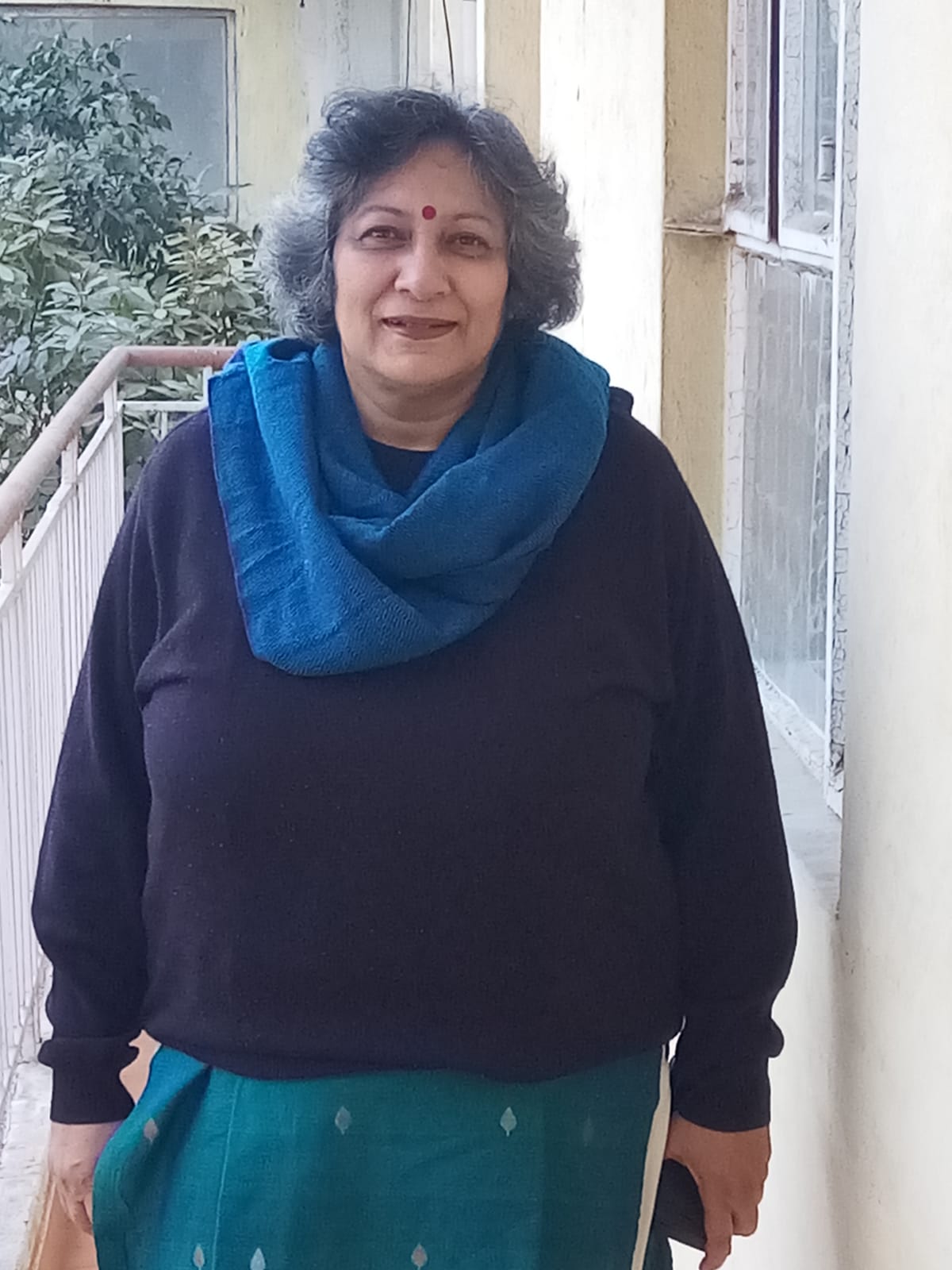
A Masters from the Jawaharlal Nehru University (JNU), New Delhi, she has lived and worked among the tribal communities of the Narmada valley, Central India, for the last 36 years and led the SPS Women's Empowerment Programme. She has guided the SPS strategy of building powerful local institutions led by women. Nivedita Banerji has been the Secretary of SPS from 2008 to 2014.
As the Director of Women Empowerment, Social Enterprise and Design at Samaj Pragati Sahayog, Nivedita has strongly advocated for independent institutions for women so that they can participate fully in decision making and guiding the development of the region. She has created frameworks and policies for SPS that recognise and promote women’s needs, rights and freedom.
Within SPS, Nivedita started Kumbaya, a social enterprise that empowers marginalised women and people of disability with the art of stitching. Led by her design principles of care and sustainability, Kumbaya has been one of the earliest practitioners of ethical, conscious and circular design in India since 1994. What started as a radical space for women to learn stitching, has now transformed into an export-compliant and internationally recognised brand that has taught stitching to over 3000 women from 100 villages in Madhya Pradesh. Today, over a 100 artisan shareholders own Kumbaya Producer Company Limited.
Kumbaya has collaborated with over ten international design brands as their manufacturing partner. It retails in several stores across India and in a few stores oversea.
Kumbaya won the CITI Textile Sustainability Awards 2024 for "Best Women Entrepreneurs".
Nivedita wrote, directed, and narrated the short film The Kumbaya Story. This short documentary film produced by Dusty Foot Foundation and SPS Community Media, won the Transforming Society Short Film Award at the 13th TVE Global Sustainability Film Awards 2024 and garnered official selections at the Beyond Border Feminist Film Festival (2024), Vindhya International Film Festival Madhya Pradesh (2025), and Quarantine Bioscope International Short Film Festival (2025).
Nivedita has guided the design, building and management of SPS campuses and facilities over the past 3 decades. She is a self-taught architect and designer, having learnt on site from renowned architects working with SPS in the initial years. Her gift for design is deeply embedded in the innovative energy efficient architecture of the SPS campuses and the Baba Amte Centre for People’s Empowerment. She envisioned the architecture of these campuses to be in harmony with the magnificence of the landscape and the rough dignity of rural life. Embedded in these walls is the intricate effort of skilled artisans, because of whom the structures minimize the use of cement and steel.
Nivedita pushed against the dominant male discourse in construction in rural India, of building RCC frame structures, identical box-like buildings with thin walls and flat roof slabs, made cheaper by contractors compromising on standards. She has designed, constructed and done the electrical, plumbing and interiors for over 45,000 square feet of SPS’s offices, faculty and staff residences, multi-purpose halls, dormitories, community media centre, and warehouses. Her other design projects include One Star Public School, a school run by a group of tribal youth for the primary education of children, nestled against the backdrop of a hill and forest in the remote village of Pandutalab; and a Women's Centre funded entirely by the 3,000 members of the Kantaphod Women's Federation.
She has been a member of the Government of India’s Working Group on Minor Irrigation and Watershed Management for the 12th Five Year Plan. She serves as a Board Member of SRIJAN, an organisation that empowers the rural poor and works on sustainable socio-economic initiatives to enhance livelihood opportunities for the marginalized and build their capacity to demand and access entitlements. She is also a member of the Advisory Board of Nivasa, an Architectural Not-for-Profit Trust, that works to enable humane and dignified living conditions for the underserved segment in India, through design.
Nivedita’s early contributions include researching for SRUTI's India’s Artisans- A Status Report (1995) and co-authoring the seminal book on the lives of the weaving community and their disappearing skills and designs titled Saris of India–Bihar & West Bengal (1995) published by Wiley Eastern Ltd. She has co-authored policy paper “Government Schedule of Rates: Working Against Rural Labour”, in the Economic and Political Weekly (2006) alongside the nationally acclaimed SPS Watershed Training Manuals. These widely translated manuals demystified complex engineering for water harvesting structures, making crucial ecological knowledge accessible to NGOs, governments, and rural communities across regions like Odisha and Karnataka. She has been featured in industry interviews, including Fibre2Fashion (2018), Your Story (2023), and the book Business of Handmade (2023) by Two Hundred Million Artisans.
Nivedita has been invited as a speaker global and national forums. Internationally, she served as a guest lecturer at Brigham Young University's "Families and Poverty Research Conference" (2004) and was invited by the President of the International Fund for Agricultural Development (IFAD) as a televised plenary panelist in Rome (2012) to discuss the theme of "Adopting Environmentally Sustainable Approaches to Smallholder Agriculture". She also addressed promoting local indigenous economies and livelihoods for well-being as a panellist at the 2nd Indigenous Terra Madre (2015) in Shillong, which hosted 606 indigenous delegates from 62 countries. More recently, Nivedita presented at the national Food Systems Summit: Marketplace for Ideas (2024) and delivered a keynote address at the International Conference of Narrative Practices, Mental Health and Community Wellbeing (2025) in Puducherry.

Jyotsna Jain was Director, Right to Food Program of Samaj Pragati Sahayog and Faculty of the Baba Amte Centre for People’s Empowerment. As Co-Founder, SPS, she was responsible for setting up its administrative systems in the initial years. As Director, Right to Food, she led several initiatives of SPS, including constant monitoring of all government-run food related schemes to ensure that people's legal entitlements are not being violated, creating awareness among village communities about their entitlements, training a cadre of village resource persons who carry the message forward among their own people, initiating the process of redressal of food related complaints, interfacing with the district and block administration so that violations of the Supreme Court's Orders on the Right to Food case are redressed. One of the major achievements of the program was a comprehensive survey of hundreds of tribal families left out of the BPL list and presenting detailed findings to the administration so that the BPL list was suitably modified. As representative of the then Adviser to the Supreme Court Commissioners in the Right to Food Case, she travelled extensively across Madhya Pradesh to investigate complaints of violations made to the Adviser. Samaj Pragati Sahayog also played the role of Support Voluntary Organisation (SVO) for Right to Food with 6 grassroots partners in 6 of the most vulnerable districts of Madhya Pradesh with the responsibility of training and supporting these partners on ensuring effective compliance with the interim orders of the Supreme Court. As part of this initiative, a special survey was carried out under her guidance across 70 villages spread over 7 districts on the Antyodaya Anna Yojana and the Midday Meal Scheme, supported by the ICSSR. She co-authored a paper with Mihir Shah on the “Antyodaya Anna Yojana and Mid Meal Scheme in Madhya Pradesh” (published in the Economic and Political Weekly, 26th November, 2005). 2009 onwards, Jyotsna Jain served as Adviser to the Commissioners appointed by the Supreme Court in the Right to Food Case for the state of Madhya Pradesh. Her responsibilities included monitoring the functioning of all food-related schemes in Madhya Pradesh and suggesting reforms to make them work better.

Pinky Brahma Choudhury is the founder and creative director of SPS Community Media at Samaj Pragati Sahayog, a media program empowering young talents from the remote tribal belt to capture the lives of the people in the margin in a language that opens multiple conversations, perspectives, and possibilities. As the director, she has mentored and produced more than 200 films including social documentaries, community videos, training films, as well as e-magazines and audio documentary podcasts. These media stories that are primarily shared within the community through People’s Mobile Cinema across 600 villages have also won recognition in national and international forums winning prestigious awards. ‘Mitti Ke Bandh’ (Earthen Dam), the film she co-directed and edited won the ‘Magna Mater,’ best film of the festival, Agrofilm Festival, Slovakia, 2008 and the ‘Water Award,’ the best work on water resources in Cine Eco, Portugal, 2008.
Pinky Brahma Choudhury is also leading media campaigns through SPS Community Media promoting the disappearing edible wild food and nutri-cereals like varieties of millets and sorghum; leading project that engages with children from forest villages in central India reestablish a relationship with the ecology through media, art, and shared story telling.
Pinky Brahma Choudhury is an alumnus of Film And Television Institute of India (FTII) with specialisation in Film Direction. Her student film at FTII called “Ether’, a short fiction made in 1992 was widely appreciated at several international festivals.
Before shifting to work full time with SPS, Pinky worked briefly as an independent filmmaker. Her debut documentary film Duphang-ni Solo - An Autumn Fable (1997), shot in 16mm, was widely acclaimed. The film essays that the then political violence in the Bodo area Assam, in the northeast of India is bound to permeate cultural crises in the lives of the people. It was the opening film, Indian Panorama section in International Film Festival of India (IFFI), 1999 as well as in Calcutta International Film Festival, 2000; official selection, MIFF’98, Yamagata festival 1999, Yamagata 2019, Japan, South East Asian Documentary festival, Kathmandu.
Duphang-ni Solo - An Autumn Fable is part of the 1001 Documentary Films collection on the UNESCO’s Memory of the World Register. ‘Covering the period 1920–2020, the 1001 Documentary Films collection brings together films from over 150 nationalities (among UNESCO’s 194 member states) and includes more than 350 films directed by women. Composed mainly of heritage films and films awarded at some of the world’s most prestigious festivals, the collection demonstrates the significance and scope of the documentary form, enriching perspectives on cultures and countries worldwide’.
She has recently initiated project BERE (Bwiswmuthy Eco-Reverence Ensemble) in Bodoland Territorial Council (BTC) in Assam working at the intersections of ecology, culture, and communities. BERE’s values are grounded in the indigenous culture of revering nature and collective responsibility towards protecting ecology. Currently BERE has been working on the ecology of Chakrashila Wildlife Sanctuary, bringing together artists, media practitioners, community and government stakeholders to take actions towards safeguarding the ecological sanctity of the sanctuary. Documenting oral narratives and community practices centred around the ecological heritage of the sanctuary is the basis of all BERE work. These narratives and practices have been taking the shape of installation arts and audio-video productions since BERE’s inception in 2023.
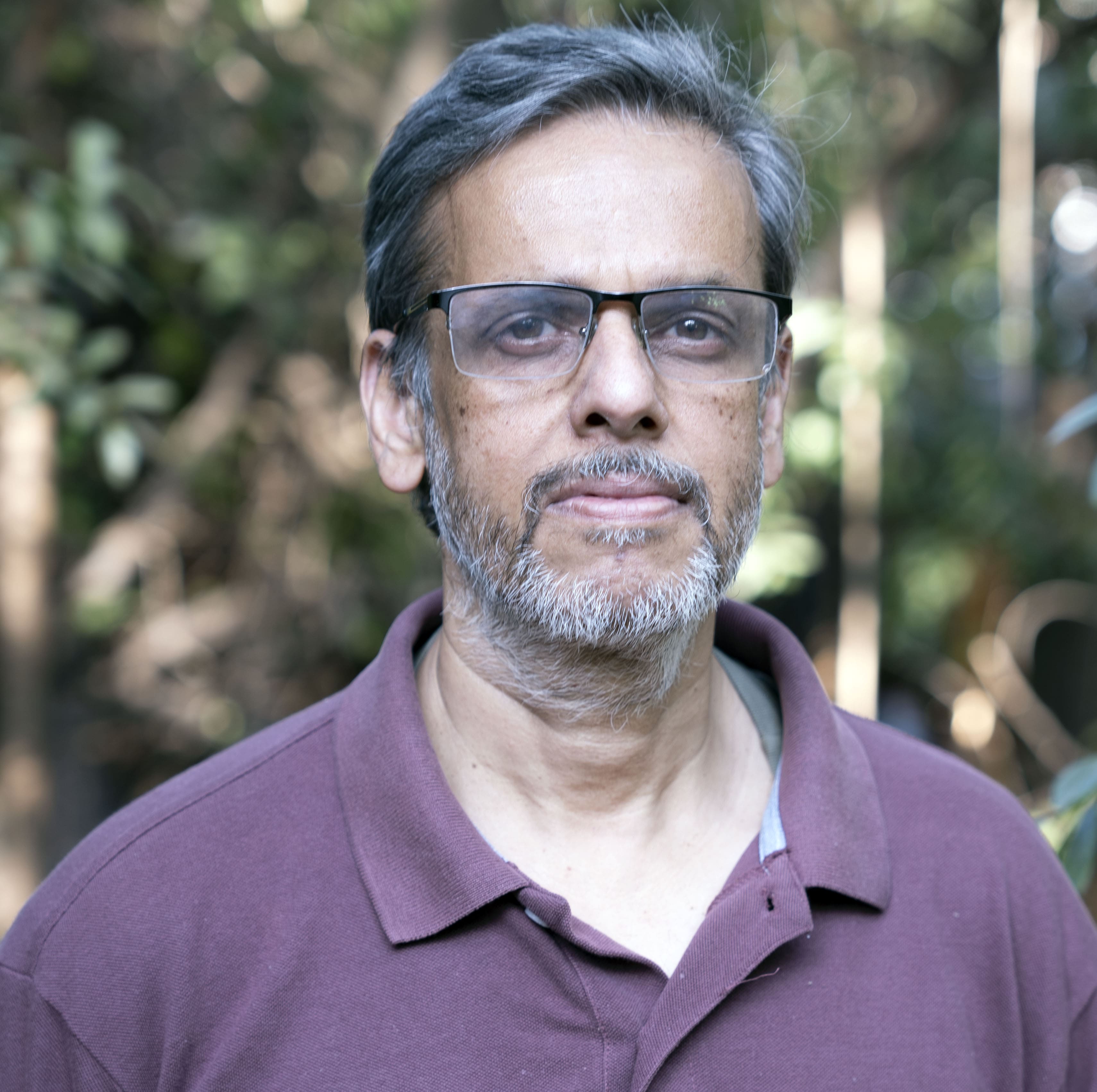
Shobhit Jain has been part of Samaj Pragati Sahayog since its early years and has spent over three decades working in the tribal and rural regions of central India. Trained as a film editor at the Film and Television Institute of India, Pune, he began his journey as an independent documentary filmmaker before immersing himself fully in grassroots development work with SPS.
Over the years, his work has moved across watershed development, agriculture, livelihoods, community institutions and media, always with a deep engagement with people and place. At SPS, he has helped shape programmes rooted in ecological regeneration, equity and community participation.
Along with Pinky Brahma Choudhury, he co-founded SPS Community Media, a filmmaking initiative that grew from the need to communicate rural realities from within the community itself. Over time, it evolved into a unique experiment in participatory filmmaking and people’s media. Young people from Adivasi and rural communities were trained in camera, sound, editing and storytelling, many of whom went on to become filmmakers themselves.
The films emerging from this process have travelled widely across India and the world. SPS Community Media films have been screened at more than 100 national and international film festivals and have received several awards, including the National Film Award for Best Location Sound. Yet the primary audience for these films continues to be the villages where they are made and screened through the People’s Mobile Cinema initiative across hundreds of villages in central India.
At the heart of Shobhit’s work is a belief in deep documentation, the slow and careful recording of the changes that unfold on the ground over years and sometimes decades. Whether through film or development practice, his interest has been in understanding how communities transform themselves, how landscapes recover, and how memory, culture and lived experience shape social change. His filmmaking process grows out of long relationships and trust rather than observation from a distance.